1. Material Authenticity and Architectural Depth
Contemporary architecture is increasingly driven by a desire for natural, earth-derived materials. Unlike synthetic façades, which rely on applied finishes, natural limestone provides inherent variation in tone, texture, and form.
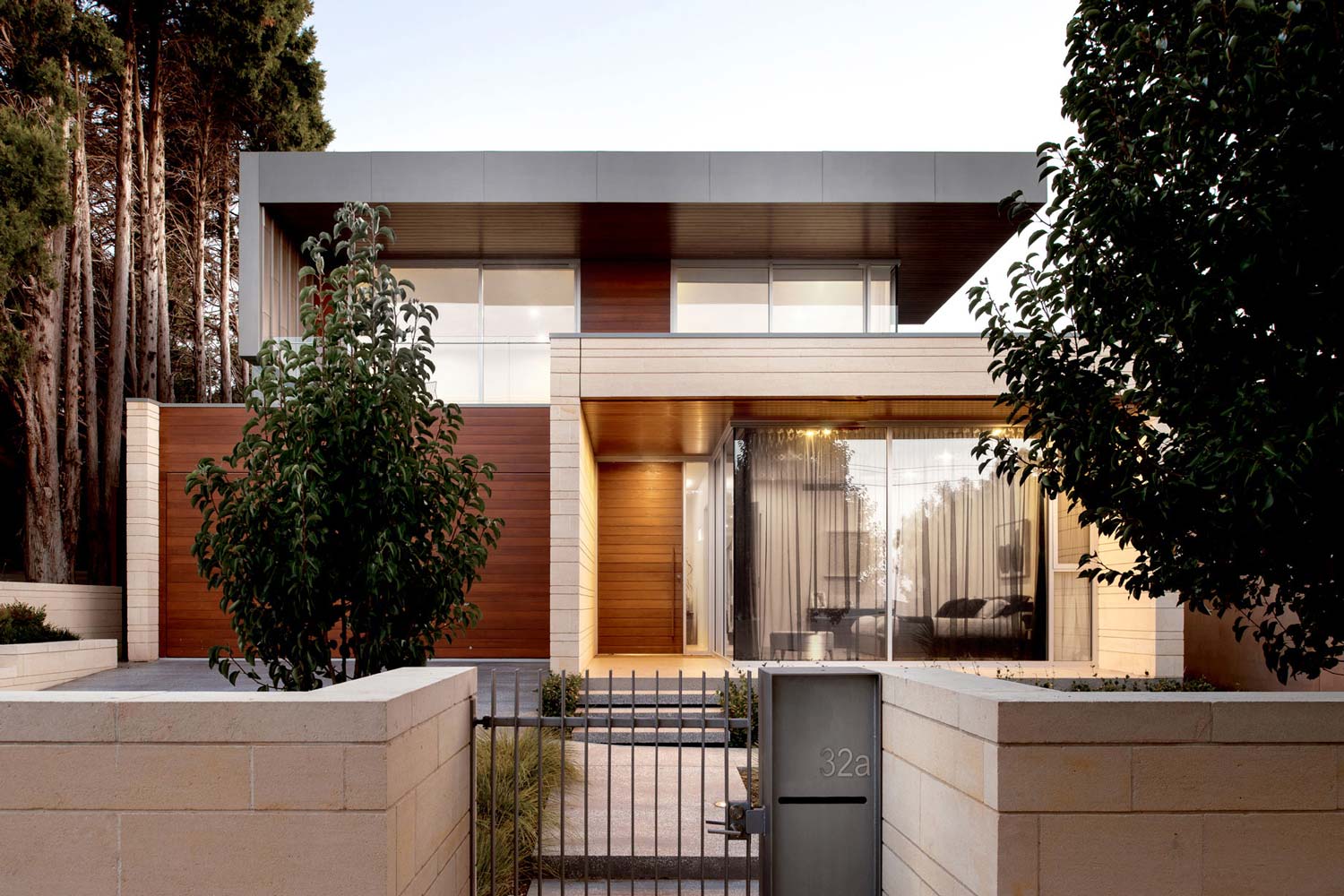
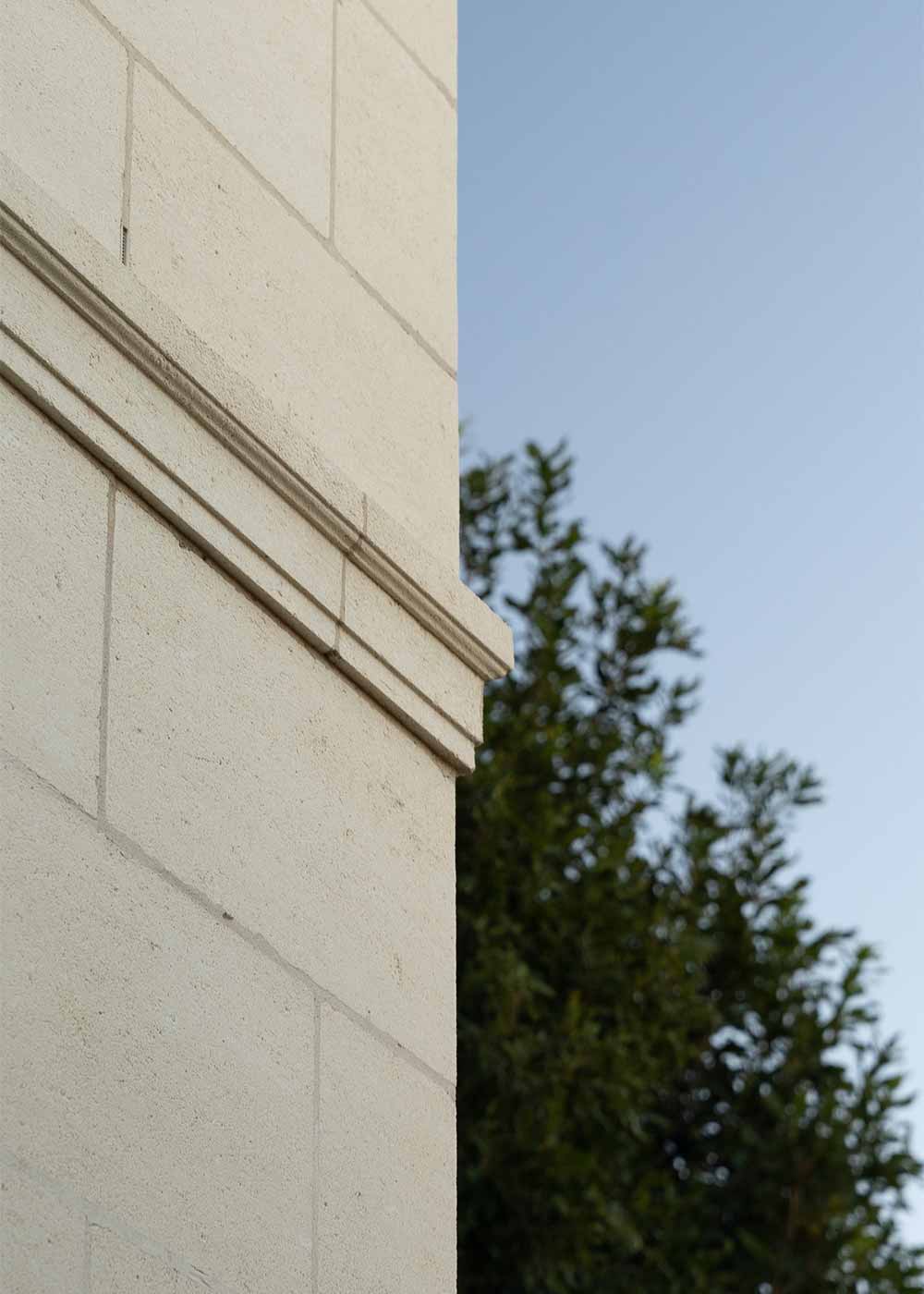
Sourced from the Marte deposits in South Australia, Mount Gambier limestone contains subtle fossilised structures and organic tonal variation that cannot be replicated industrially. Whether expressed as smooth Plainface blocks or articulated Bevel Edge masonry, the material establishes a grounded architectural language that weathers naturally over time rather than degrading.
2. Performance Beyond Aesthetics
The benefits of solid masonry extend beyond appearance into environmental and spatial performance.
Mount Gambier limestone provides significant thermal mass, moderating internal temperatures by absorbing heat during the day and releasing it gradually at night. In double-skin construction systems, this mass creates a stable internal environment with reduced reliance on mechanical heating and cooling.
The density of solid limestone blockwork also delivers strong acoustic separation, reducing external noise transmission and contributing to quieter internal spaces.
3. Sustainability and Material Safety
As construction standards evolve, material selection is increasingly evaluated through environmental and health performance.
Mount Gambier limestone is extracted locally and processed with minimal energy input, resulting in a lower embodied carbon profile compared to many manufactured wall systems. The quarrying process does not rely on blasting, further reducing environmental disturbance.
Importantly, unlike high-silica stones such as sandstone, Mount Gambier limestone is biologically derived and contains extremely low free silica content. This significantly reduces on-site fabrication risk and improves handling safety for stonemasons during cutting and shaping.
4. Construction Efficiency and Lifecycle Value
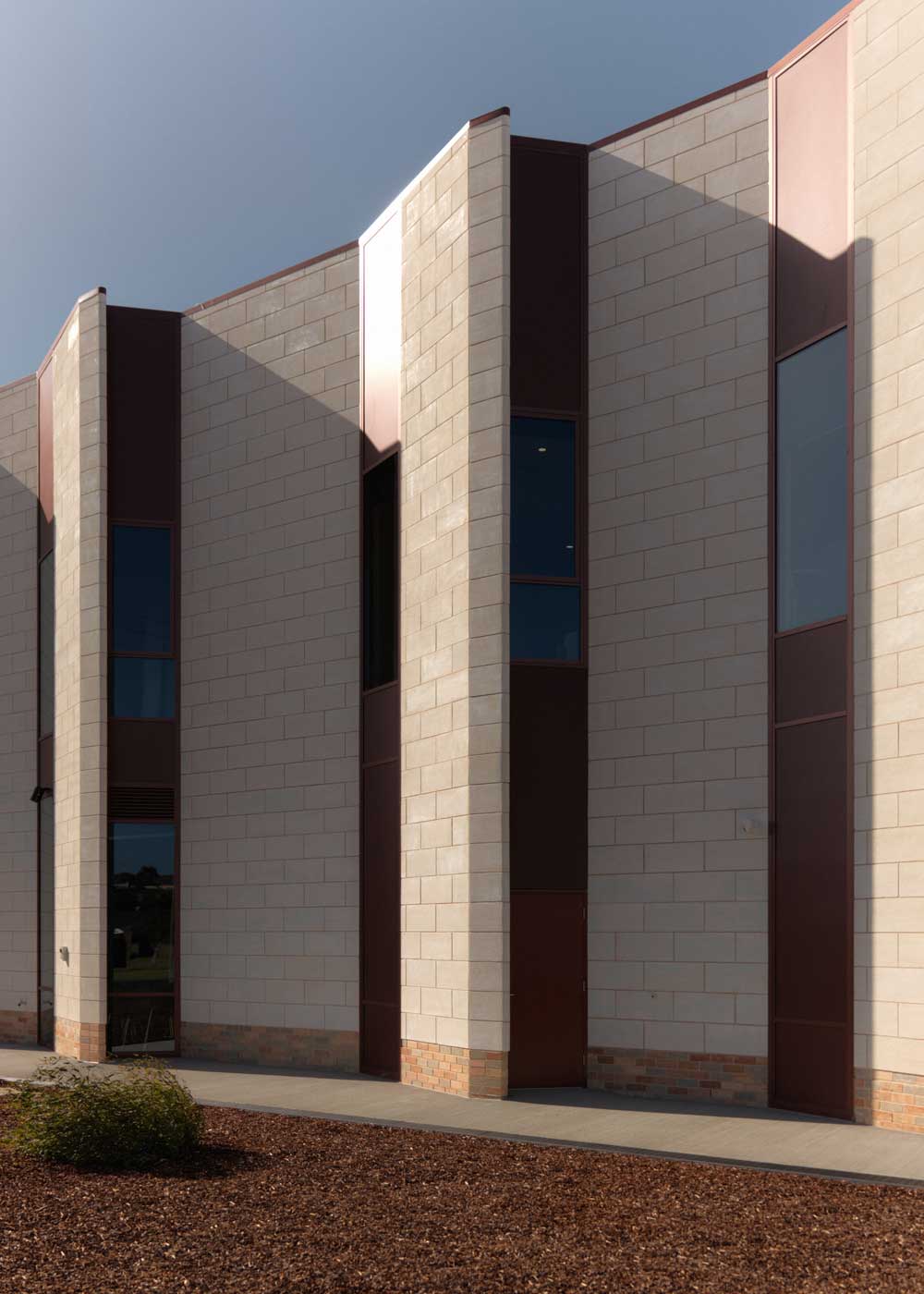
While solid stone construction is often perceived as complex, modular limestone block systems are highly efficient to install due to their consistent dimensions and large format sizing.
In many applications, the finished stone surface eliminates the need for secondary trades such as rendering or painting, reducing overall construction complexity and long-term maintenance requirements.
When assessed across its full lifecycle, solid limestone masonry presents a highly competitive alternative to conventional brick-and-render systems, combining structural performance with long-term durability and reduced maintenance input.